
Bridal inverts the usual economics. One purchase, a very long consideration window, an enormous amount of browsing before anything is tried on in person, and a return that is expensive and emotionally awful for everyone involved.
That makes the shortlist the valuable moment, and the shortlist is built online, months ahead, from photographs of the dress on somebody else.
Where try-on fits
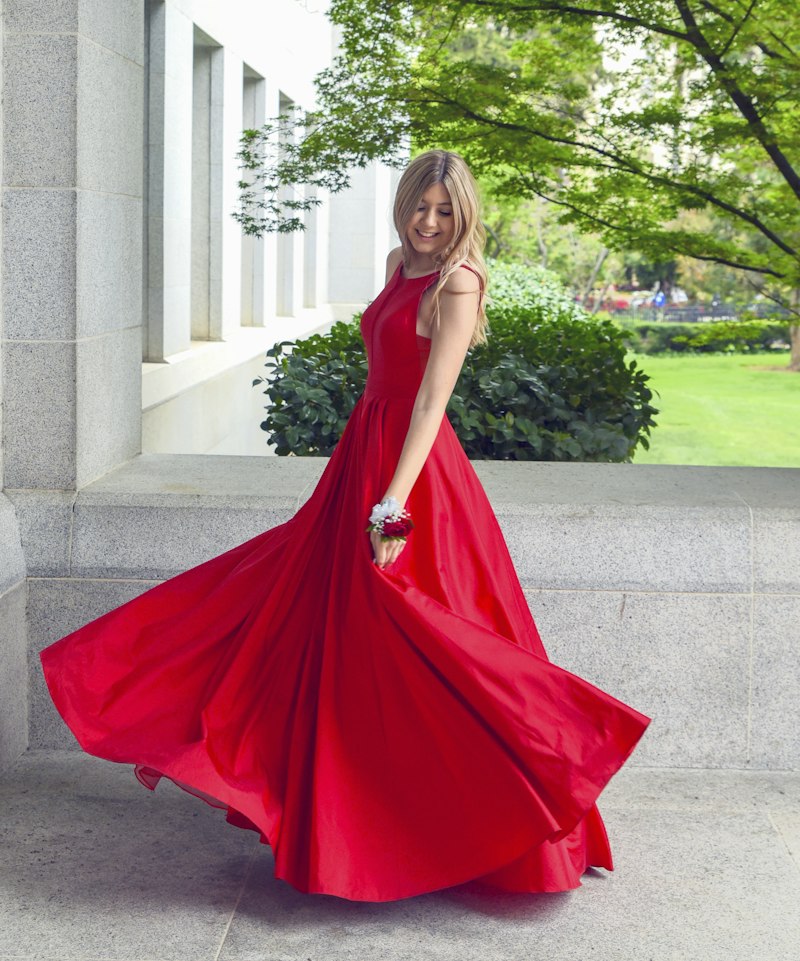
At shortlisting. A shopper narrowing forty dresses to five wants to know which silhouettes suit them before booking anything. Seeing a shape on their own proportions is a better filter than seeing it on a house model.
It does not belong anywhere near the fitting. No generated image substitutes for an appointment, an alteration or a measurement, and bridal is the category where implying that would do real harm. Position it as "which of these should I book to try", not "this is how it will look on the day".
What to expect from the output
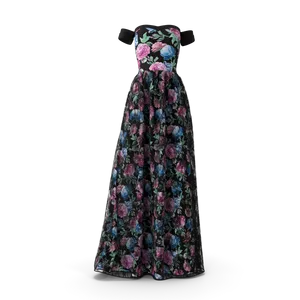
Silhouette, proportion and where the hem and waist land: reliable. Lace pattern, beading, embroidery and appliqué: approximate. That is an awkward combination for bridal specifically, because the detail is often the reason a dress costs what it does.
The practical consequence is that try-on should sit beside your photography, never instead of it. Use it for shape; use your images for craftsmanship.
Trains, veils and separates
Multi-part looks compose in one generation — a dress with a veil and a jacket is one try-on and one credit, up to six pieces. Long trains are harder than short ones: the further a garment extends from the body, the less the model has to anchor it to.